
Stranger Things x Change
Dustin hit the paradigm shift nail on the head.

⚠️ Warning: Stranger Things Spoilers Ahead!
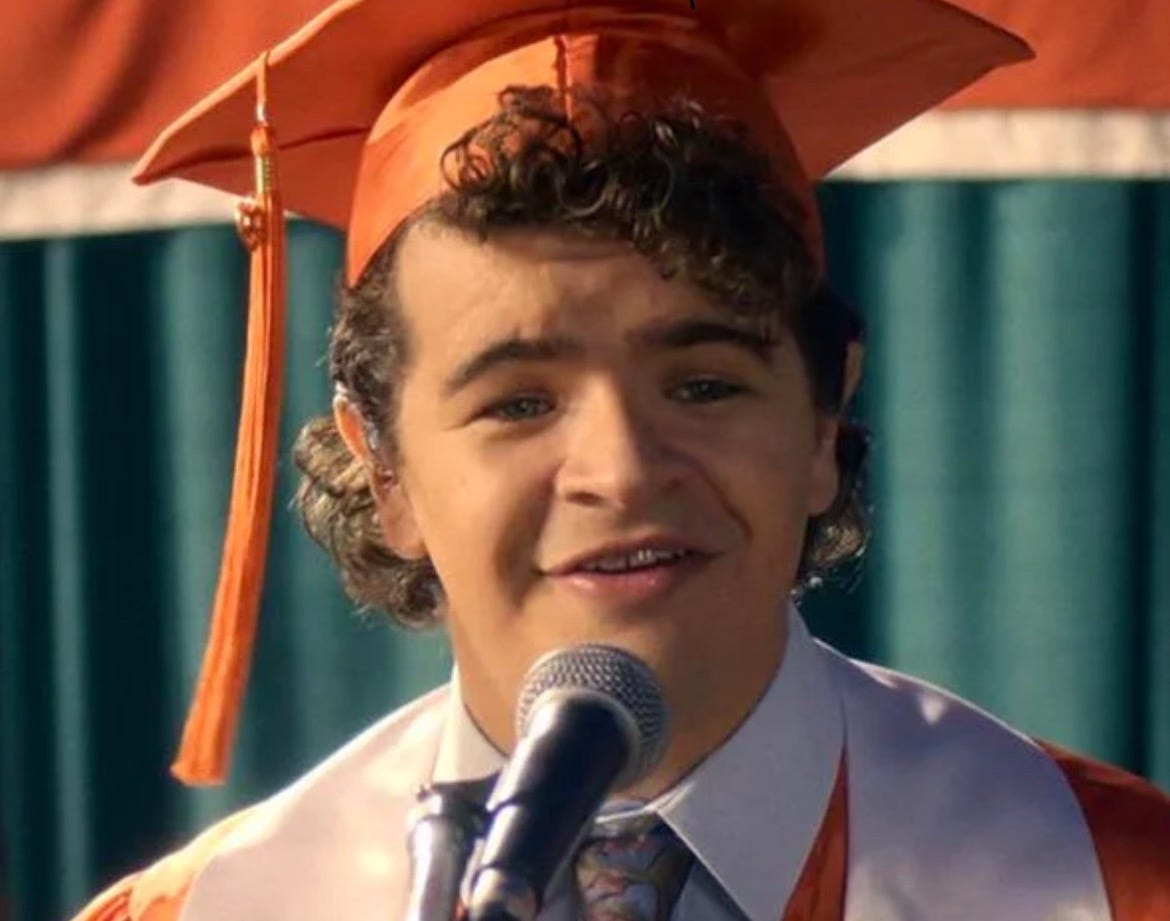
In the series finale of Stranger Things, we see main character Dustin Henderson take the stage to give his valedictorian speech to his fellow students and community. In it, he nails exactly how paradigm shifts start.
What my decades of research into paradigm shifts has uncovered is that to begin, there has to be some sort of crisis, or, as Dustin calls it, “chaos.” There has to be a dissolution of the ties that bind us and the way that things work in our lives. That’s why it’s possible to create a personal paradigm shift intentionally, while there may be other paradigm shifts, like COVID-19 that happened to us instead of from us.
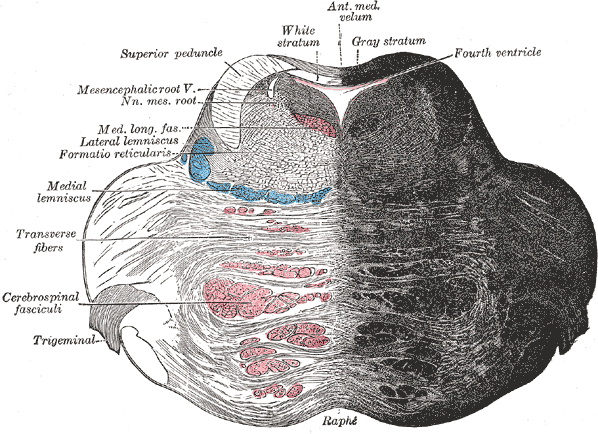
Let’s get science-y about it. Dustin says, “In the chaos, all the walls broke down.” That is why a paradigm shift is so uncomfortable. Humans need habits and systems to function and move through a complex world. The reticular formation in our brain helps us to tune everything out that we’ve already seen before, and tune in to what we’ve told it ‘matters’ in that moment. It’s one of the mechanisms that help us listen to our friend in a loud bar instead of the music pumping out of the speakers.
When you go into a paradigm shift, everything breaks down, including all those habits, all of those symbols, and all of the systems that trigger your usual life. That is why COVID-19 in particular felt so uncomfortable (beyond the threat to body and life).
When you don’t understand how a paradigm shift works, how to go through it and come out the other side (aka. the opportunity), that’s when we get stuck. We instinctively resist that discomfort — making it far more likely we’ll get stuck when we need to change. The brain does whatever it can to stay the same. (That’s why your best friend stays in that toxic relationship you know needs to end.)
PS — I’m 100% engrossed with #conformitygate and can’t wait for the documentary.